Slayer Blade Forge and Upgrade Swords
Stars, sells, enchantment draws, keys, and fragments.
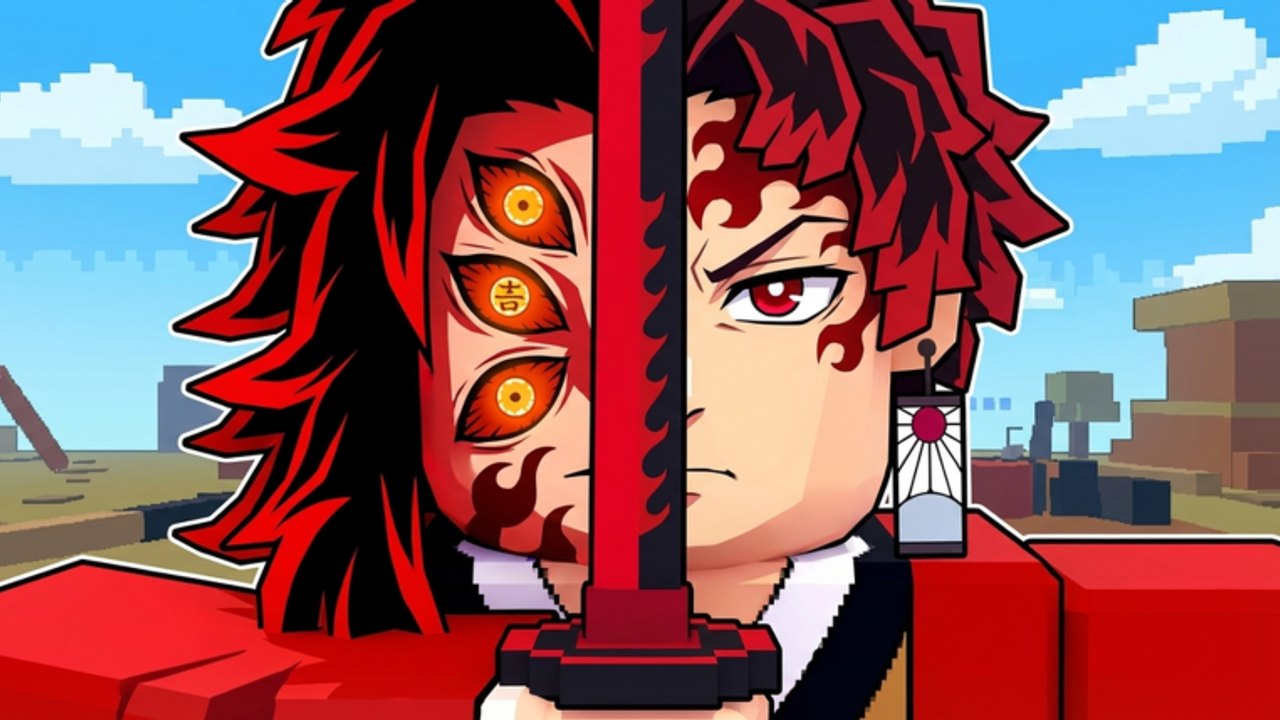
Forging and starring swords is the multiplier layer on top of raw clicking in +1 Slayer Blade. Demons drop blades, the forge turns materials and keepers into real power, and stars / enchantments decide which swords deserve inventory slots. This guide covers the upgrade loop, junk sinks, the enchantment trait draw system highlighted in the 6.11 update, and how keys and fragments fit without inventing fake weapon stats.
Why forge before endless clicking
Click strength alone plateaus. The game’s own pitch lists forge and star-up beside demon farming for a reason: a better blade raises damage per click and per hero assist, which raises clear speed, which raises the chance you can unlock the next map. If your session is only left-click spam with a starter sword, open the forge before you open another hour of AFK hopes.
New players should skim Getting Started first, then return here whenever inventory fills with near-duplicate drops.
Core forge loop
- Farm demons on the highest map you can clear efficiently (Maps Progression).
- Identify keepers vs junk — keep blades that clearly beat your equipped sword or fill a niche; mark the rest for sell or material use.
- Forge / craft upgrades using the in-game forge flow for your current progression tier.
- Star-up promising swords instead of spreading stars across every Common drop.
- Enchant traits when you have the draw currency and a blade worth investing in.
- Re-equip and test clear speed on the same pack you farmed before the upgrade.
If clear speed did not move, you upgraded the wrong piece—or you need map access more than another star. Cross-check priorities with the Sword Tier List.
Star-up priority (without fake numbers)
Stars are a commitment. Use this honest hierarchy:
- Highest priority: best drop from your newest map that you actually equip.
- Medium priority: strong backups for bossier packs or alternate maps you visit often.
- Low priority: outdated starters you already outgear—sell or ignore.
- Avoid: starring every shiny rarity name when the blade is weaker than your current main.
Because drops are RNG, two players on the same map will not own the same keepers. Rank by your equipped power and map stage, not by a mythical global DPS sheet.
Selling junk, big props, and inventory hygiene
Updates have added quality-of-life sinks such as selling big props and converting spare keys. Use them. Bloated inventories hide the one sword you should forge next. A light hygiene pass each session:
- Sell obvious junk props when the client allows.
- Convert excess silver keys and gold keys into key fragments when that trade is available (called out in the 6.11 update notes).
- Keep enough materials for the next forge attempt; do not liquidate yourself into a dead end.
Hygiene is not optional endgame theory—it is how mid-game players stop mis-clicking weak blades into star slots.
Enchantment traits and the 100-draw system
The 6.11 update highlighted 100 draws for weapon enchantment traits. Treat trait fishing as a mid/late investment layer:
- Enchant blades you already plan to main, not random Commons.
- Budget draws in batches when the 100-draw style offer or pity structure is relevant, instead of panic-spending every fragment the moment it drops.
- Rerolling traits on a sword you are about to replace is a common trap—finish map progression first if a new drop tier is close.
Exact trait names and weights change with balance; judge results by clear speed and survivability on your real farm route, then note winners for the next reborn cycle.
Keys, fragments, and Map 10 shop awareness
Keys and fragments are sink currencies that feed enchantment and shop layers. The same 6.11 notes also refreshed Map 10 shop items. When you reach late maps:
- Check whether shop stock beats your current forge project before dumping everything into random draws.
- Keep a small reserve of fragments for targeted enchantment sessions after a big map upgrade.
- Revisit shop stock after patches—late-game economy hooks move.
Pair this page with Maps Progression so forge spending matches the drop table you actually farm.
Forge goals by stage
Early maps: Learn sell vs keep. Star one main blade. Summon a basic hero so forge sessions are not fully manual (Heroes Tier List).
Mid maps: Stop starring outdated loot. Start selective enchantment on the real main. Use key→fragment sinks to declutter.
Late maps / Map 10 era: Align forge, shop, and trait draws. Prepare a strong blade before each reborn. Compare investment targets on the Sword Tier List.
Breathing styles and combat flavor
Community discussion often mentions breathing-style fantasy (Flame, Thunder, Moon, and similar themes) alongside sword upgrades. Treat styles and combat flair as part of how builds feel, but still prioritize measurable clear speed and map access. Do not delay forge upgrades waiting for a perfect thematic loadout if a plain stronger blade is ready now.
Session checklist
- Farm on highest efficient map
- Equip best keeper; sell junk / convert spare keys
- Forge or star the main blade only
- Enchant only if the sword will stay equipped after the next map or reborn
- Test clear speed; if flat, push map unlock or hero DPS instead
Related pages
- Getting Started — first-hour order of systems
- How to Reborn — when to prestige after forge spikes
- Maps Progression — better drop tables for better forges
- Sword Tier List — stage-based investment ranks
- Guides Hub — full walkthrough index
Forge is where RNG drops become a build. Keep the loop tight: farm, filter, forge, star, enchant, test—then either unlock a map or reborn with a blade worth carrying.
Frequently Asked Questions
Quick answers to the most common questions.
Should I star every sword I find?
No. Star the best keeper for your current map stage. Spreading stars across junk slows real upgrades—see the Sword Tier List.
What changed in the 6.11 forge-related update?
Notes highlighted Map 10 shop item updates, selling big props, converting silver/gold keys into key fragments, and 100 draws for weapon enchantment traits.
When should I enchant trait draws?
When you have a main blade you expect to keep through the next map or reborn. Avoid heavy draws on swords you are about to replace.
How does forge connect to reborn?
Finish nearly complete forge or enchantment projects before prestige when possible so the post-reborn valley starts with a real blade—see How to Reborn.
Where do I farm materials for better forges?
On the highest map you can clear efficiently. Later maps drop better swords—follow Maps Progression.